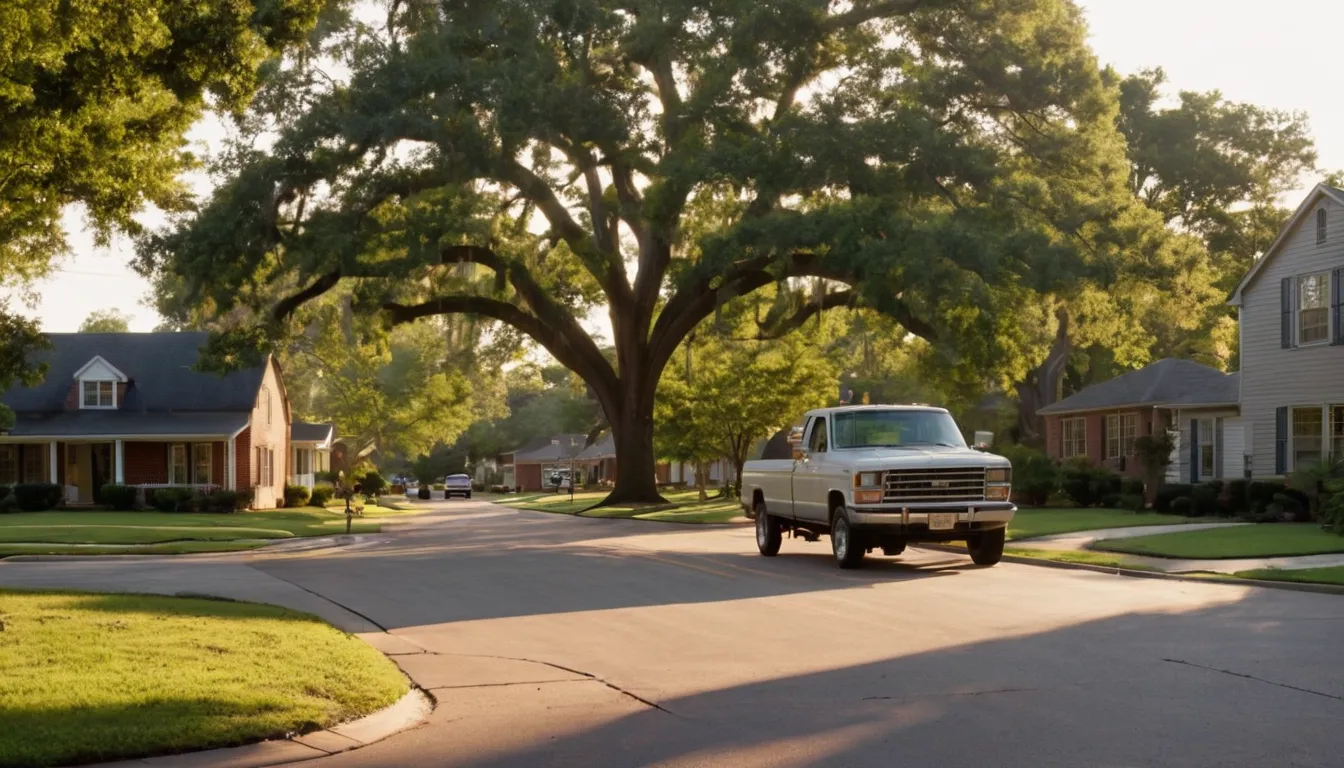
Need home tree removal in Acworth?
Tell us about your tree, your house and your timing. We will pass your request to a local provider in our network so you can compare options.
No obligationRequest an estimate from a local provider
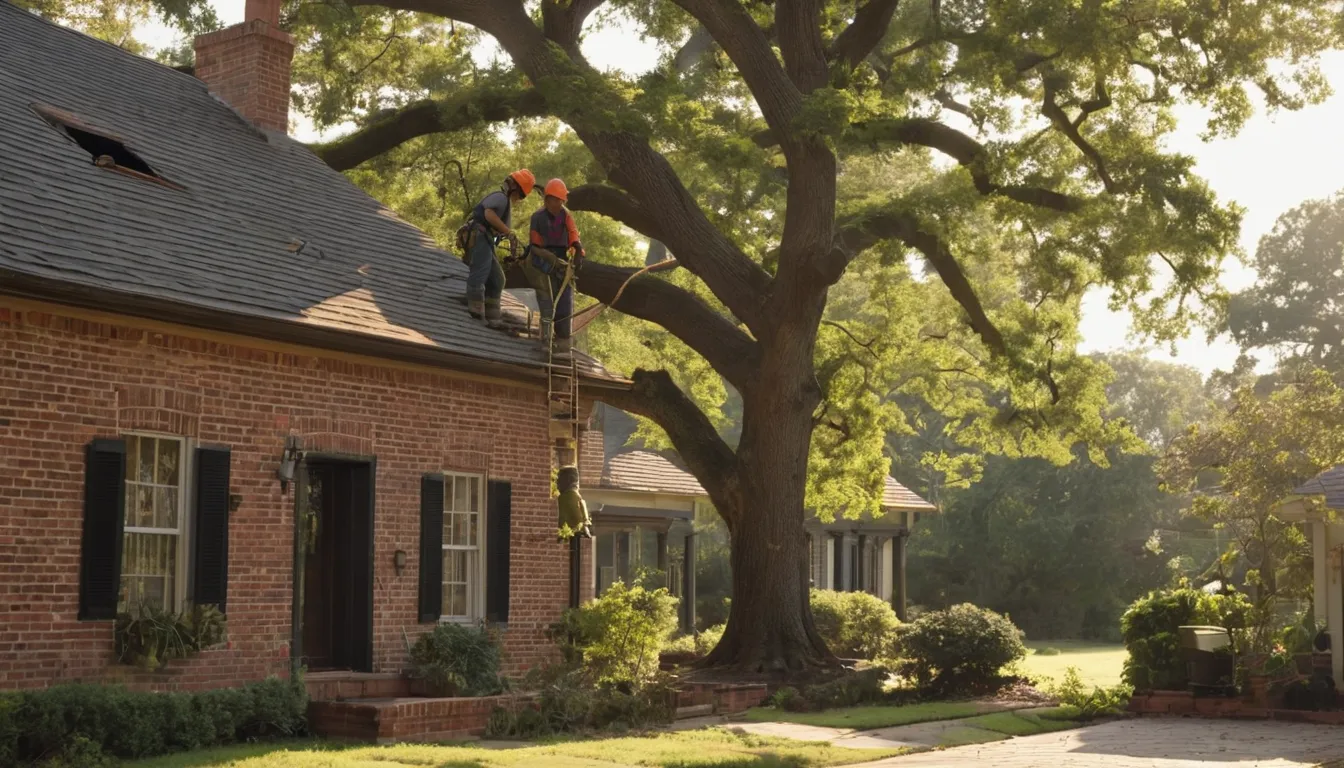
Say you look out the window and see a big oak leaning over the roof. Maybe a limb already cracked in the last storm. You want it gone, but you worry about the old shingles, the old pipes and the fence your neighbor shares.
Innerpsychological Tree Service is a referral service. We connect homeowners in the Acworth area with independent tree removal providers. The providers do the work, not Innerpsychological Tree Service. What we do is explain the steps in plain words. You will learn what to ask, what to expect on the day and what a fair written quote looks like. You will also see which signs mean a tree needs attention soon. Old house, careful drop. Read on, then request an estimate when you are ready.
Picture a house built decades ago. The roof has been patched. The sewer line was repaired once, maybe twice. Now a tall tree stands just a few steps from the wall.
That tree is not a simple job. It is a job near fragile things. This page walks you through it, from the most urgent signs to the last bit of cleanup.
Some trees can wait for a good week. Others cannot. Look for these:
If you see power lines involved, stay back and keep others away. Request a callback to check provider availability, and tell them about the lines right away.
Most people do not take down a tree for fun. The reasons are usually practical.
Say a thunderstorm rolls through on a hot, humid evening. The wind picks up, and the old pine groans. After that night, many owners want it gone before the next one.
Roots go looking for water. In older homes, that can mean clay or iron pipes. Roots can also push on a crawl-space wall or lift a slab. Branches that rub a roof wear it down over time.
A tree that is hollow or dying drops limbs without warning. Taking it down on your schedule is calmer than doing it after a limb lands on the porch.
Good jobs start with a slow look around, not a loud saw. A careful provider studies the lean, the roof, the yard and the path to the street. They ask about septic lines, buried pipes and past repairs.
Tell them what you know. Did the roof get patched near that corner? Is there an old drain under the lawn? Small facts change how the tree comes down.
The provider checks the tree, the ground and anything it could hit. They talk about where the pieces will go and which tools fit the site.
In a roomy yard, a tree may be cut and felled in one piece. Near an older house, many providers take it down in sections. They climb or use a lift, then lower each part with ropes. This keeps weight off the roof and gutters.
Once the tree is down, the provider's crew cuts it into logs and chips the limbs. Most will haul the debris away. Some leave logs if you want firewood. Ask before the day starts.
Price depends on the job, not just the tree. Height and trunk width matter. So do access, nearby buildings and power lines. A tree over an older roof needs more care and more time than one in an open field.
Costs also rise if the tree is dead or leaning, since the cut is harder to predict. Hauling and stump work may be separate lines. Always ask for a written quote that lists what is included.
Some towns protect large or older trees. Others ask for a permit when the tree is near a street or on a lot line. Neighborhood groups may have their own rules too.
Check with your local office before you book. Many providers know the local rules and can tell you what paperwork is needed. If a tree sits on a shared line, talk with your neighbor first.
Say you get three phone calls back. They all sound friendly. How do you choose?
A calm, clear answer is a good sign. Vague answers are not.
A little prep helps the day go smoothly.
If your house is older, mention anything fragile, like a porch roof or an old chimney.
Storms in this region can arrive fast. Heat, thunderstorms, a rare ice storm or the leftovers of a tropical system can all weaken a tree. If a tree is already down or hanging, the job becomes urgent. That is a different path from a planned removal, and it has its own page. For a standing tree that worries you, book before the next big weather window.
Walk the yard with the provider. Look at the roof, gutters, fence and lawn. Check that no limbs are left hanging nearby.
Then think about the empty space. More sun may hit the house, and the lawn may need extra water. If you plan to replant, pick a spot farther from the walls and pipes. Providers can often help document damage for a claim if a tree already hurt your home, and some policies may cover sudden damage, so check your policy.
The provider studies the lean, the roof, the yard and the path out before any cutting begins.
Near older roofs, pieces are often roped down in sections so heavy limbs never land on the shingles.
Logs are cut down and limbs are chipped. Ask whether the provider hauls it all away.
You walk the yard together to look at the roof, fence, gutters and lawn.
These are typical U.S. ranges. Your price depends on the tree, the access and what stands nearby. Older homes, tight yards and power lines can push costs up. Always get a written quote.
| Item | Typical range | Notes |
|---|---|---|
| Small tree, under 30 feet | $200 – $800 | Easy access, open yard |
| Medium tree, 30 to 60 feet | $600 – $1,500 | Often cut in sections |
| Large tree, over 60 feet | $1,200 – $3,500 | May need a lift or crane |
| Tree near house or lines | $1,500 – $5,000 | Extra care and rigging |
| Dead or leaning tree | $800 – $3,000 | Riskier cuts can add cost |
| Haul-away and cleanup | $100 – $600 | Sometimes already in the quote |
Share the tree size, how close it stands to the house and anything fragile nearby.
A provider in the network reaches out to talk through the job and set a visit.
Check what the price includes, such as cleanup, hauling and any stump work.
Pick a time, clear the area, and let the provider handle the cut and cleanup.
Simple steps explain what happens, what to ask and what a written quote should show.
Roofs, pipes and past repairs are worth mentioning to providers before they start.
Independent providers in your area do the work, so you deal with people nearby.
Request an estimate and compare. There is no obligation to book.
Tell us about your tree, your house and your timing. We will pass your request to a local provider in our network so you can compare options.
No obligationTypical U.S. prices run from a few hundred dollars for a small tree to several thousand for a large one near a roof or lines. Access, height and condition change the price, so get a written quote.
It depends on where you live. Some towns protect large or older trees, or require a permit near streets. Check with your local office, and ask the provider what paperwork they usually see.
Careful providers plan for this. They look at the roof and ground first, often lower the tree in sections, and ask about old pipes. Tell them about past repairs so they can plan the safest way to drop it.
Tell us about your tree, your house and your timing. We will pass your request to a local provider in our network so you can compare options.
No obligation